
Detect
Recognise objects, codes, products and gestures. Extract required information from a frame.
The software behind payment infrastructure.
Payment acceptance built around your business.
Building and developing digital products.
Hosting and supporting your IT systems.
From computer vision to predictive analytics.
Data and technology for urban environments.
We develop computer vision for business and industry, turning images and video into information your systems can use.
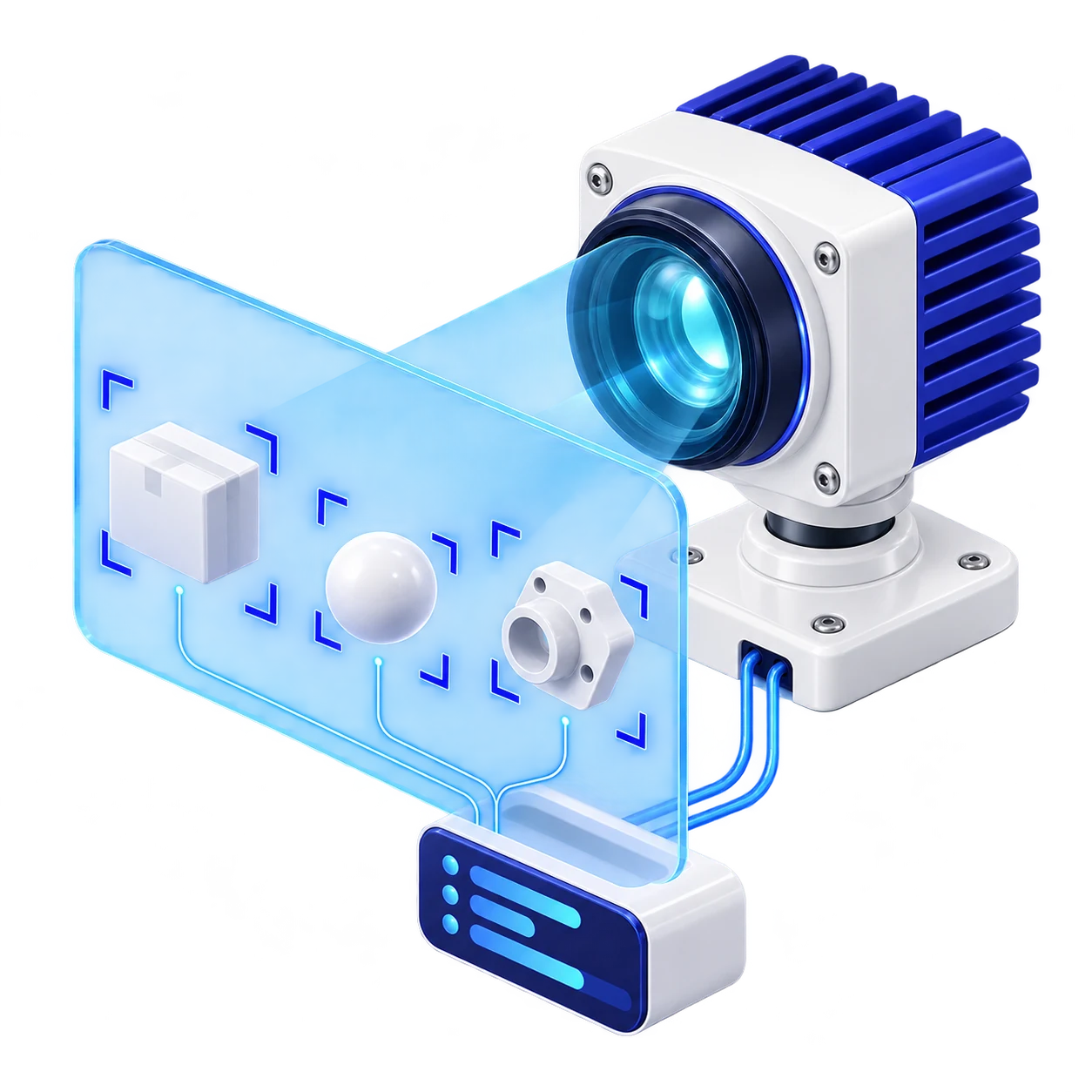
Select methods and neural network architecture for your task. Capture conditions, object types and the intended use of results matter.
Recognise objects, codes, products and gestures. Extract required information from a frame.
Segment images and analyse object characteristics, from defects to terrain.
Count objects and track movement. Turn zone crossings or changes into events.
Select a task to see how the processing output changes for the same image.
We work across industries. Criteria and acceptable errors are defined before development.
Shelf stock, queues, product placement and visitor paths. Analysis helps plan store operations.
Video surveillance and access monitoring for restricted areas. Events and requirements are defined for the project.
Defect detection, production process monitoring and safety rule compliance.
Research analysis of medical images with domain specialists. Solution requirements are developed separately.
Identify damaged products and remotely observe plants and animals.
Unusual objects and conditions. We review the task, test samples and propose an approach.
Quality on an ideal image does not establish quality in your process. Validation includes normal and challenging conditions.
Study real images and video, considering light, angle, movement, occlusion and typical defects.
Agree which errors matter most and what action the system should take after processing.
Computer vision and image preparation experience from the MST portfolio.
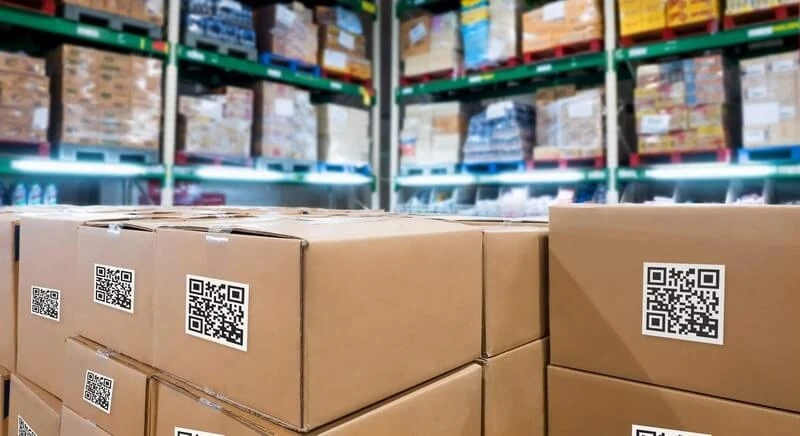
Developing and improving production line marking recognition.
Read the project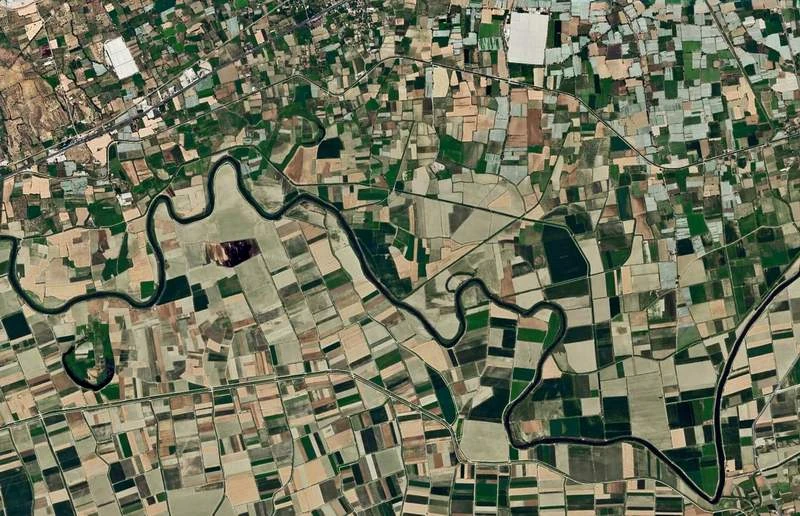
Creating datasets to analyse the Earth's surface.
Read the projectOur software recognises QR and Data Matrix codes in video. Other tasks use separately designed solutions.
We use tools for models, images, data analysis and visualisation.
Start with research or commission development and deployment.
Discuss the task and samples. Sign an NDA if required.
Review capture conditions, data and requirements. Agree validation and solution scope.
Record terms, timing and responsibilities in the contract.
Build the solution, test workflows and integrate outputs.
Compatibility and image quality are assessed using equipment specifications and samples. Lighting, angles or the source itself may need changes.
Product and price recognition in receipts, gestures, satellite imagery objects, passenger counting and restricted-area events. Specialised facial expression analysis is discussed as a separate research task with verifiable criteria.
Quality depends on data and conditions. We agree a dataset and criteria, then measure pilot results. We do not promise one accuracy level for all objects.
We design integration interfaces and output formats for your process. These may be recognised features, objects or events for further processing.
Tell us what to detect, recognise or track. Start with your samples and conditions.
Loading the contact form…